


Perhaps you tried all the techniques available in the market, but still, there is not much growth in your affiliate earnings.
Most affiliate marketers believe that their commissions will increase if they write more reviews, target more keywords, and promote more products.
This strategy does not help you make more sales. Viewers are presented with a lot of content daily, and there is no organic reach.
This is where generative AI can help. It is a layer that helps affiliates discover better opportunities, produce more relevant content, and convert more leads.
Continue reading to find out how you can maximize your affiliate commissions using generative AI.
What Is Generative AI in Affiliate Marketing?
Generative AI is software that creates various forms of content and helps you generate insights from the data you have. You can accordingly optimize your marketing strategies.
Generative AI understands context and helps you generate ideas. It can create first drafts for email campaigns, ad campaigns, or website content.
You can build trust and increase your conversion rates by delivering personalized content.
Generative AI helps:
- Research more accurately
- Produce content faster without losing quality
- Personalize user experiences at scale
- Optimize based on real performance data
Traditional tools are like power drills. They help you do your task faster. But generative AI operates like an expert partner who suggests what to build, how to build it, and who will want it most.
How to Maximize Affiliate Commissions With Generative AI
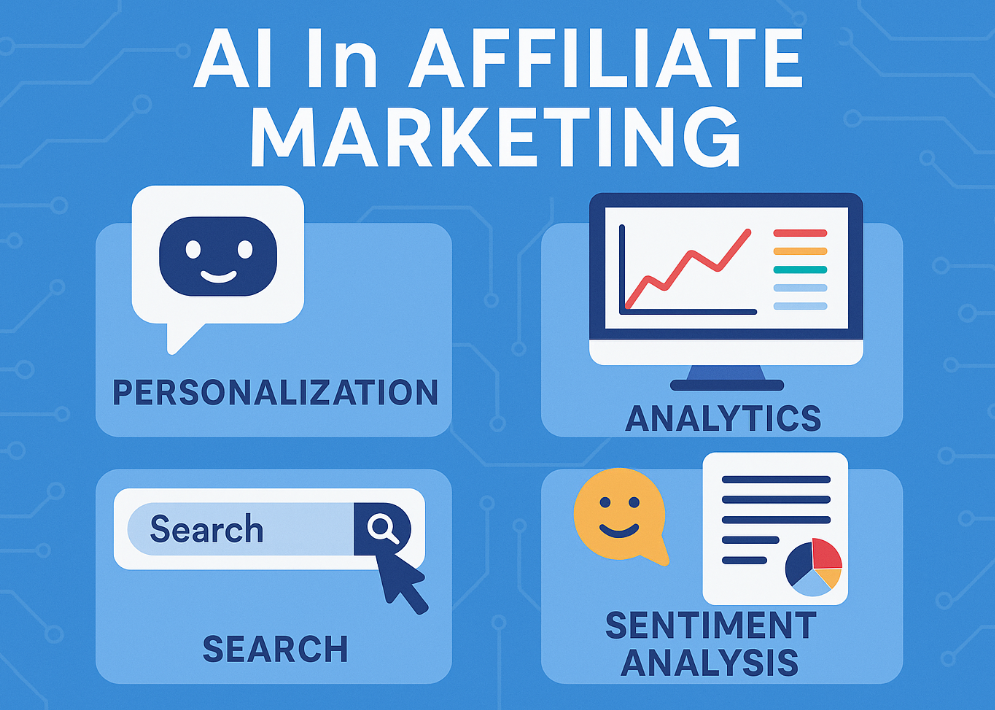
1. AI-Powered Niche and Product Research
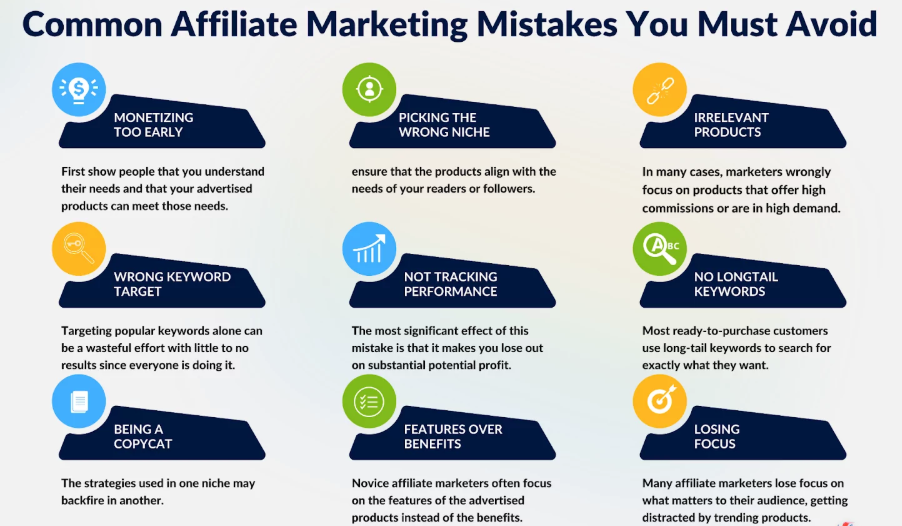
Beginners in the affiliate marketing industry often make the mistake of promoting products without the real demand for those products. They pick a niche product just because they feel it is right. They trust their gut feeling over data analysis. And therefore, they don’t get the results they expected.
But AI solves this problem and helps you achieve the results you want.
Here’s how:
- Find profitable niches: AI can identify the topics that your target audience wants to consume, so that it increases your organic reach. For example, “budget-friendly standing desks for remote workers”.
- Spot product trends: It can detect when demand for a product might increase. This gives you a competitive advantage because you will be prepared for such events before anyone else.
- Uncover content gaps: AI compares the pages that are ranking at the top and finds what they aren’t covering as a feature comparison that competitors missed. You can use this opportunity to build trust with your target audience.
Example: Sarah, an affiliate in the beauty niche, used AI to find that “cruelty-free anti-aging serums under $50” had high purchase intent but low-quality content. She created an optimized review series and saw clicks and commissions grow within weeks.
Tip: Start by asking AI tools to analyze trends and the keywords that your users search in your niche. To go a step further, following a crawler tool guide helps you systematically scan competitor pages and SERPs, ensuring your research is grounded in real search data rather than assumptions.
AI makes your research smarter, so you promote products with real potential.
2. Creating High-Converting Affiliate Content at Scale
The next thing that you will need is content creation. You have to concentrate on creating content that convinces and persuades your target audience to convert.
You can use AI to create first drafts for:
- Product reviews
- Comparisons
- Buying guides
- Tutorials
But remember: AI drafts are starting points. Do not use it as it is, or you won’t get the outcomes you expected. You must enhance them with real insights, user-focused elements, and an interactive experience
Written content alone is no longer enough to convince modern buyers, which is why interactive walkthrough software plays an important role. It allows affiliates to embed guided, step-by-step product demonstrations so users can explore features in real time instead of just reading about them. This builds trust, improves engagement, and increases the chances of visitors clicking affiliate links and converting.
Here’s a winning content structure every affiliate should follow:
- Problem identification: What is the user struggling with?
- Product solution: How does the product solve it?
- Social proof: Reviews, ratings, and testimonials
- Comparison: Why this product over alternatives?
- Final recommendation with CTA: Clear next steps.
Example: For noise-cancellation headphones, you can write something like this:
“Frustrated because of the background noise that comes while travelling? These noise cancellation headphones completely block the background noise.”
Then tell AI to help by adding features, comparisons, and user expectations. Add real data from credible customer reviews.
When publishing tutorials or interactive guides, teams often use platforms like TestMu AI to verify that demos, visuals, and CTAs work consistently across browsers and devices, preventing broken affiliate journeys.
3. Optimizing Content for SEO and Click-Through Rates
Content writing is not sufficient. Your audience needs to find your content.
AI can help you with:
- Keyword improvements: AI recommends long-tail keywords that users might search for so that your content reaches them.
- SEO structure improvements: It can create better SEO-optimized headings and help with internal linking.
- Meta descriptions optimization: AI writes descriptions that hook the audience and persuade them to click. This improves CTR.
Example: If you are selling budget-friendly laptops, then AI might suggest keywords like:
- “Best budget laptops for students 2026”
- “Top cheap laptops for video editing 2026”
- “Budget laptop deals January 2026.”
Another effective technique is to optimize affiliate link placement using AI analysis. Instead of randomly placing affiliate links, use AI to identify where readers may engage the most. For example, if the audience is engaging more after reading the reviews section, then place your affiliate link there.
4. Optimizing for the AI Search Era: Generative Engine Optimization (GEO)
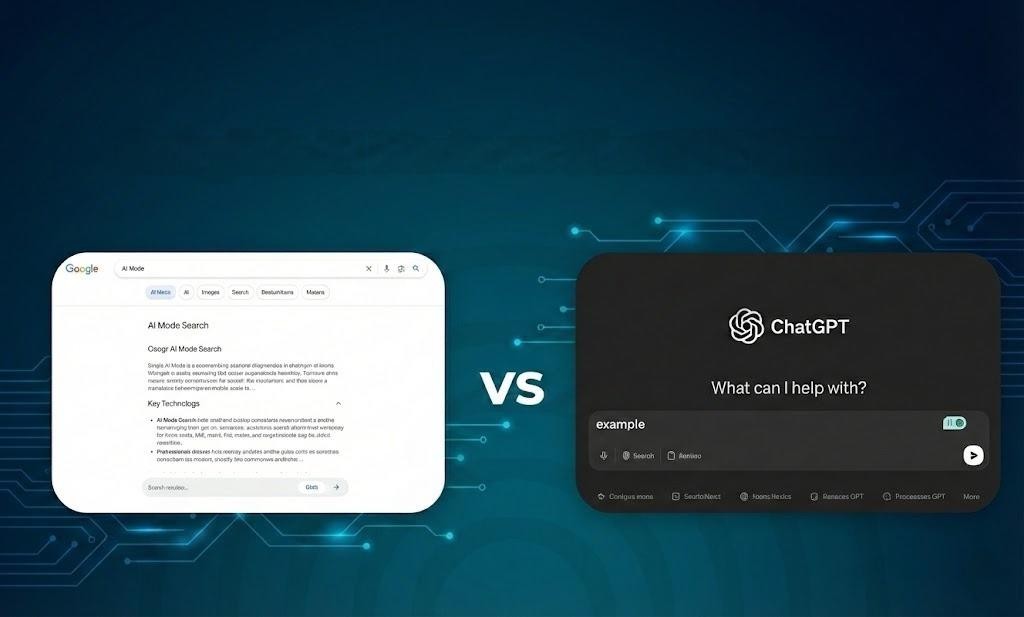
While SEO helps you rank in Google, GEO (Generative Engine Optimization) helps you get mentioned in answers provided by AI tools like ChatGPT, Perplexity, and Google AI Overviews. When a user asks ChatGPT, “What is the best budget laptop for students?”, the AI doesn’t just look for keywords; it looks for authoritative facts and consensus. If your content is optimized for GEO, the AI is more likely to cite your website as the source of its recommendation.
5. Personalizing User Experience to Boost Conversions
Generic content does not give good conversions as compared to personalized content.
AI enables personalization based on visitor behavior, referral source, and intent signals. For example:
- A visitor from Instagram might see quick, visual-focused product suggestions.And to make these visuals stand out you need a clipping path tool like Photo Clipping Path.
- A visitor from Google might get data-rich comparison tables
You can also use conversational AI tools on your site to guide users to products based on their specific needs and questions. Before deploying dynamic experiences, teams usereal device testing to validate personalization flows across real browsers and devices and avoid broken user journeys.
This will shape the decisions of your users by solving their pain points. Rather than just reading information, users can ask questions, such as “Is this good for beginners?” or “Which one is best under $100?” and get immediate and relevant answers directly related to your affiliate content.
The key benefit here is that it transforms your site from a static blog into an interactive buying assistant. Some affiliates take this further by using interactive demos that let readers explore a product’s core features themselves before clicking an affiliate link, which increases trust and filters out low-intent traffic. When users feel helped rather than sold to, trust builds, and trust is the single biggest factor in affiliate clicks. These tools help users self-select, which results in better-quality conversions and bounce rates. To support this experience at scale, a website builder that allows dynamic content delivery based on user actions makes it easier to implement personalized journeys without complex development.
Use AI to create dynamic product recommendations. These recommendations are made based on user actions. For instance, they read about headphones’ battery life. You show them the top-rated long-lasting battery headphones first.
6. Improving Email and Funnel Performance With AI
Your blog is an excellent starting point, but emails are where repeat engagement and conversions increase. Emails play a crucial role in affiliate marketing. Many affiliates use AI-powered CRM systems to track subscriber behavior, segment audiences intelligently, and automate follow-ups based on real-time engagement signals.
AI can help you:
- Write compelling subject lines
- Create segmented email flows
- Personalize follow-ups based on behavior
Example: Instead of a generic email like:
“Check Out These Headphones”
Try something AI-generated and then optimize for humans to increase the engagement, like:
“Top 5 Best Headphones for Long Flights”
Once you have the list of users, segment them by metrics like:
- Users who clicked but didn’t buy
- Users who opened but didn’t click
The reason for doing this is that AI tools can then suggest tailored messaging for each group. This increases the chances of having a second interaction.
7. A/B Testing and Performance Optimization Using AI
Testing is essential in affiliate marketing.
AI helps increase conversion rates with A/B testing by suggesting:
- Headline variants
- CTA options
- Layout elements
- Content lengths
Different affiliate traffic types respond very differently to these tests. Organic search traffic, paid ads, email lists, and social referrals each have distinct intent and engagement patterns. When you understand how each traffic type behaves, it’s easier to decide what to test, what to personalize, and where AI-driven optimization will have the biggest impact. You do not have to track results manually anymore. AI can analyze performance trends and give you recommendations on what to test next.
For example, AI might identify that:
- “See Best Deals Now” is getting more clicks than “Learn More” by an increase of 17%.
- Adding a comparison table increases the time that users spend on the page by 24%.
You can accordingly optimize your strategies. And in turn, these insights help you increase your conversion rates.
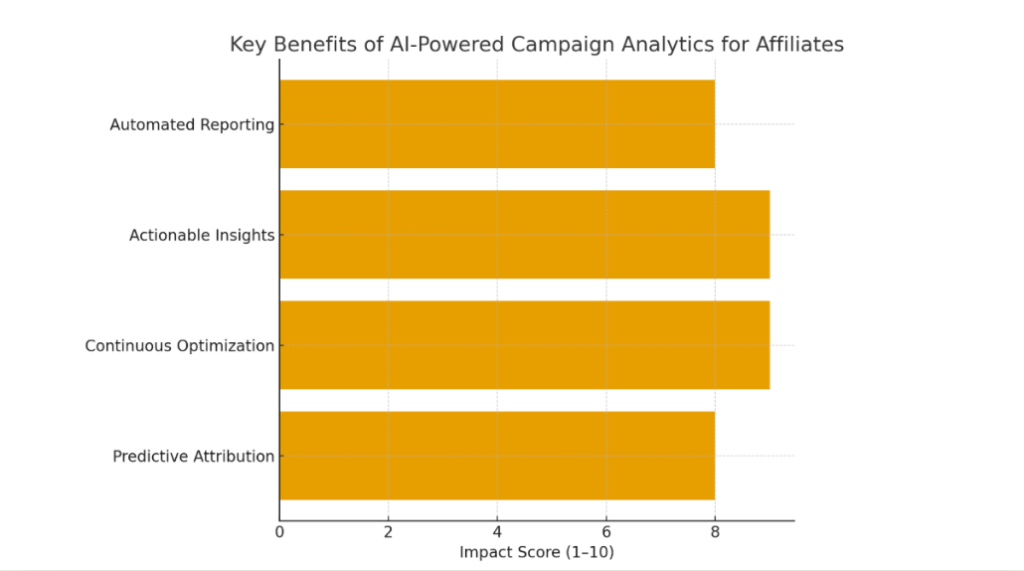
8. Using Analytics and Predictive Insights to Scale Profits
Analytics without insight is just data.
AI gives a meaningful direction to data by predicting trends and identifying patterns you might miss. Instead of guessing what will work, you know where to invest your time.
AI can show you:
- Which content is driving actual affiliate clicks
- What topics are likely to trend next month
- Where should you focus on creating future articles
This means fewer wasted efforts and more content that truly performs, supported by clearer invoicing or billing insights that help track real outcomes over time.
Turn AI Strategy Into Sustainable Affiliate Growth
Generative AI is all about making better decisions at each step of your affiliate marketing journey.
With the right use of this technology, you can make better decisions about products, content, user experience, and strategies. You can achieve more by leveraging the power of AI, human intuition, and consistency.
If you are interested in implementing these strategies with offers that are designed for performance and scalability, JVZoo can help. With a variety of ready-to-promote opportunities, it enables affiliates to focus less on setup and more on execution.
Author Bio:
Vineet Gupta
Vineet is the Founder of 2xSaS, a result-oriented digital PR and link-building agency working with brands like HubSpot, Hunter, G2, and more. He specializes in creating custom outreach campaigns and content marketing strategies to help B2B & SaaS companies improve their organic traffic.
Linkedin Profile: https://www.linkedin.com/in/vineet18del/
Author image – author – Vineet Gupta.jpg
