

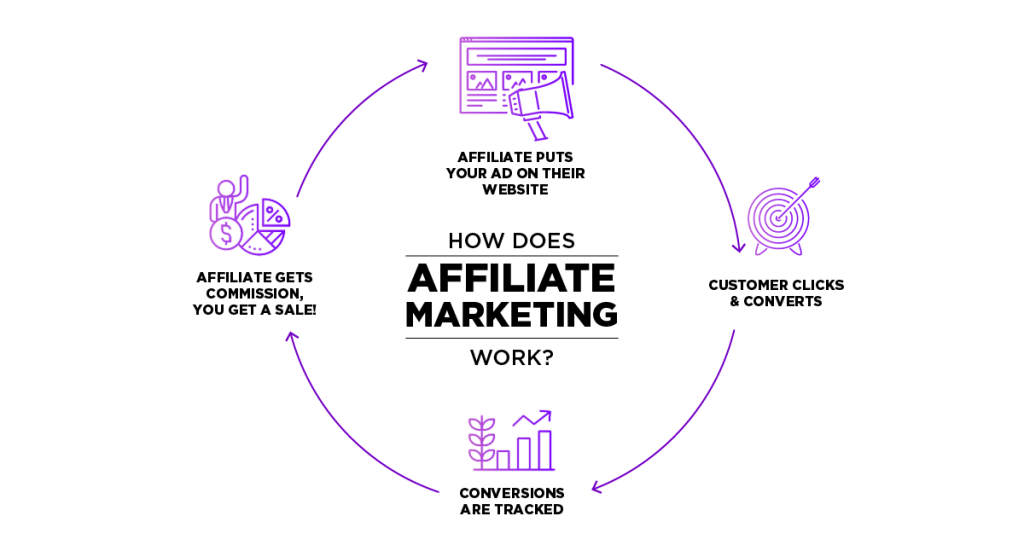
Why Most Affiliate Leads Go Cold Before They Convert
Checking your affiliate dashboard and seeing thousands of clicks feels amazing. It’s the ultimate marketing high, but that excitement dies fast when your payout balance stays at zero. The reality is that 79% of marketing leads never convert into sales due to poor nurturing.
Leads don’t just vanish because of bad luck. They freeze up because you’re throwing friction points at them between that first click and the checkout page. To fix these issues, this article will identify the structural flaws that are hurting your conversions from the very first click.
The Mistake of Treating All Traffic Equally
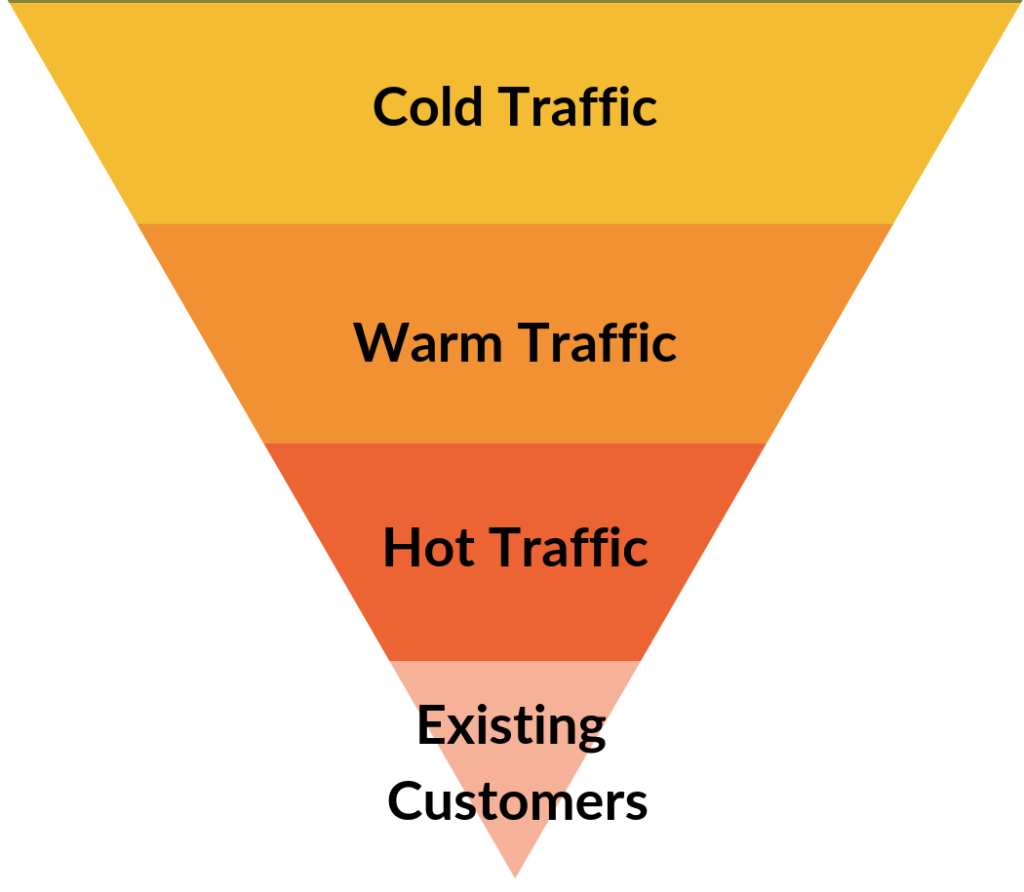
Many marketers fail because they think that everyone who clicks on a link will buy right away. When you look at it in real life, the amount of web traffic you get falls on a scale called “traffic temperature.” Putting a cold, clueless visitor on a pushy vendor sales page makes them leave right away.
To keep your bounce rates low, you should divide your new visitors into three simple groups:
Cold Traffic
People in this group don’t know who you are and just want simple, quick answers. Since they don’t know your brand or the product yet, hitting them with a hard sales pitch scares them away instantly.
Warm Traffic
These people know their exact problem and are actively searching for the best way to fix it. They already know and trust your brand a bit, making them perfect targets for deep comparison pieces and reviews.
Hot Traffic
Ready-to-buy shoppers know the product and just need a push to buy. They don’t need a massive sales pitch, so sending them a clean, direct checkout link gets the job done fast.
Top 5 Reasons Affiliate Leads Go Cold
When affiliate marketers’ conversion rates drop, they love to blame outside factors like sudden changes to Google’s algorithms. Usually, the issue is right in your marketing funnels. Below are the top five reasons your affiliate leads turn cold right before they buy:
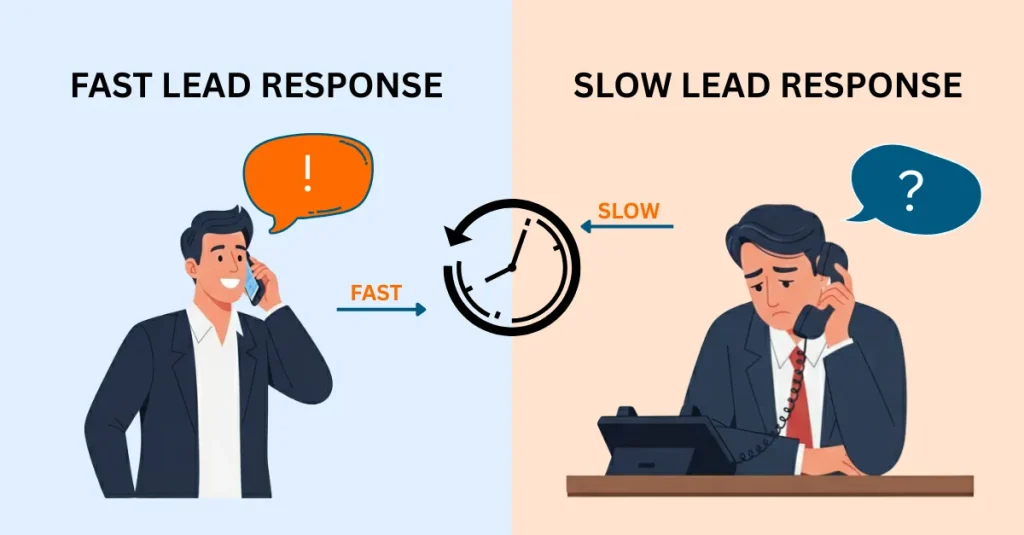
1. Deplorable “Speed-to-Lead” and Delayed Follow-up
When someone signs up for your lead magnet, their buying intent hits an absolute peak. Sadly, many marketers miss this perfect window by delaying their automated email follow-up. Waiting just one hour to reach out makes you seven times less likely to qualify that lead.
It gets worse as your lead quality drops by a massive 80% after just five minutes of total silence. With the average industry response time sitting at a terrible 47 hours, most automated emails land way too late. By the time your email finally arrives in their inbox, the user has completely forgotten who you are.
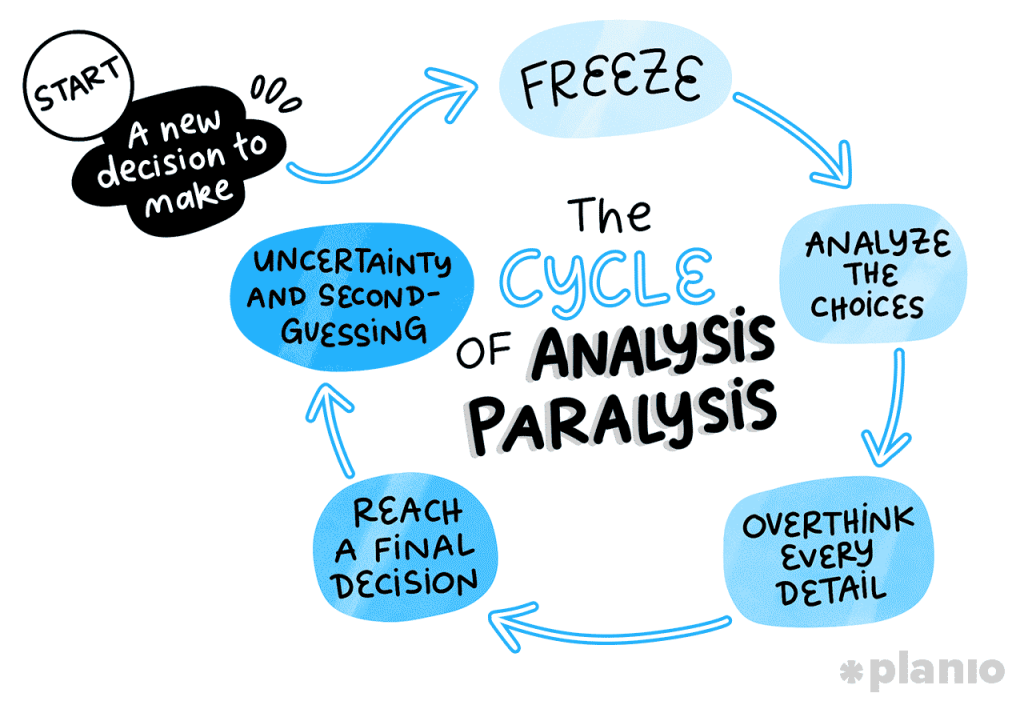
2. Overloading the Reader with Analysis Paralysis
Putting ten different links to competing products in one blog post makes it hard for people to read. Giving people endless options sounds like a great idea, but it actually triggers choice overload and stops sales completely. Research proves that offering too many product choices cuts your conversion rates by up to 20%.
Classic consumer tests prove that giant 24-option displays pull a tiny 3% purchase rate. On the flip side, cutting those options down to a tight list of six choices sparks a massive 30% purchase rate. Bombarding your visitors with endless alternatives gives them major decision fatigue, causing them to leave your funnel. This decision overload is one piece of the broader digital fatigue people feel from processing nonstop online information all day.
3. Broken Qualification and Generic Nurturing
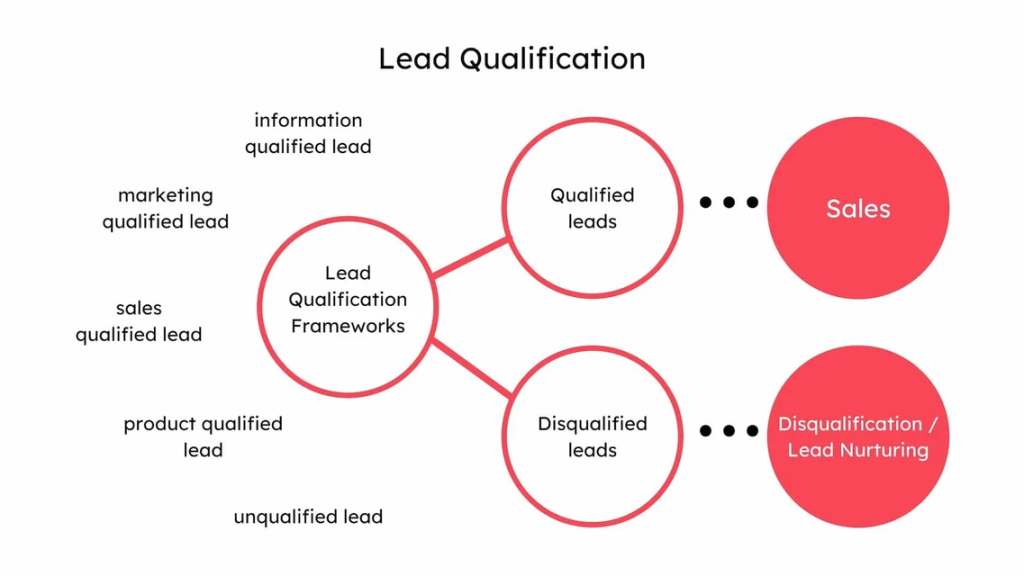
Blasting generic, boring emails to your entire subscriber list kills audience engagement fast. Too many marketers treat a highly educated webinar viewer the same way they treat a casual homepage visitor. Data shows that 71% of online shoppers expect highly personalized experiences from digital brands today.
On top of that, 76% of those buyers get visibly frustrated when your marketing lacks basic personalization tokens. Studies show that roughly 67% of lost sales happen because you failed to segment your leads before pitching them. Sending irrelevant offers means people stop opening your emails, and your list goes completely dead.
4. Friction-Heavy Routing and Generic Direct Links
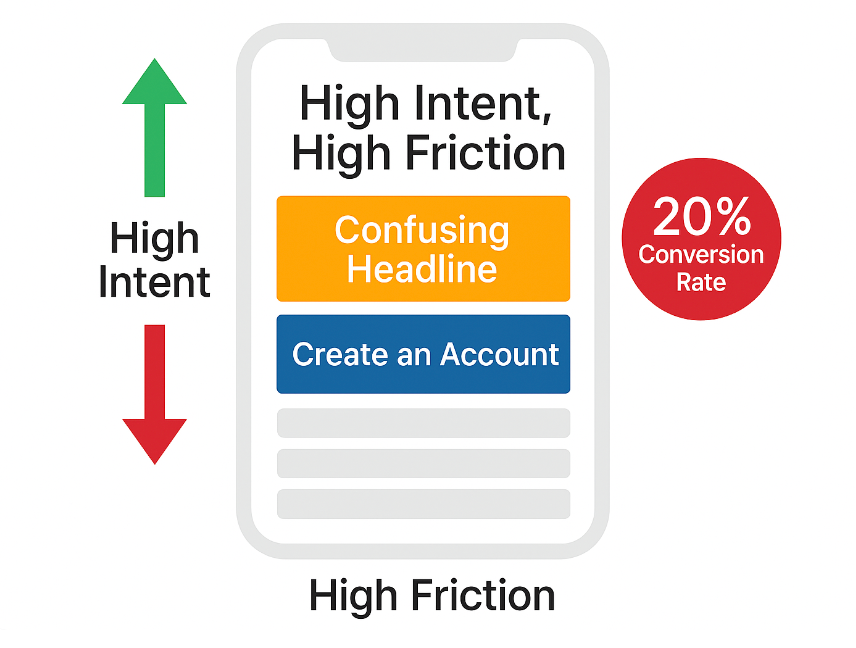
This lazy routing setup forces your potential buyers to hunt through confusing menus to find the item you recommended. Around 49% of online consumers abandon a website immediately if they run into annoying navigation issues.
Basic landing pages with too many distracting offers drop total conversions by up to 266% compared to clean, single-offer layouts. When you force people to search a confusing merchant site, they choose to bounce instead of buying. This annoying friction ensures your affiliate tracking cookies never get a chance to trigger at checkout.
5. Chasing Payouts Instead of Audience Alignment
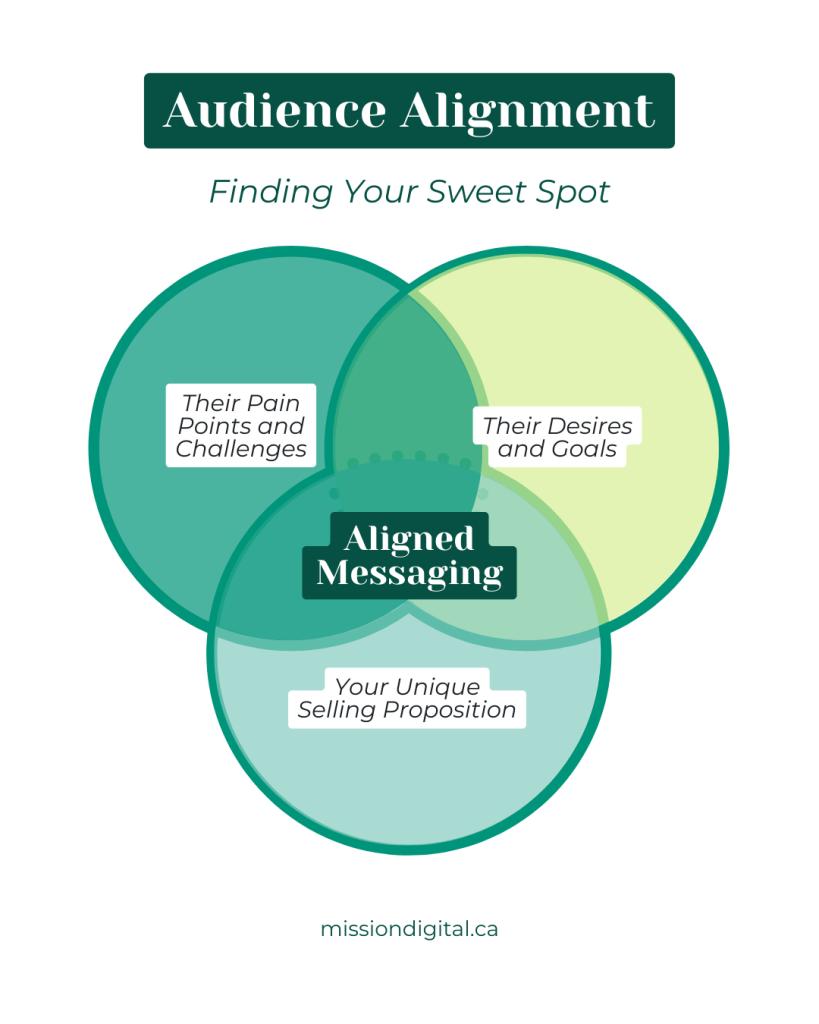
Recommending an affiliate product just because it pays a massive commission rate destroys your long-term business. Prioritizing high payouts over actual helpfulness means you end up pushing items that mismatch your readers’ budgets and lifestyles. Around 65% of modern consumers will ditch an online brand completely after experiencing just one breach of trust. That defensiveness didn’t come from nowhere. Years of data leaks and spam have taught buyers exactly what oversharing costs, and privacy-conscious readers now run a digital footprint check to see how far their information has already traveled. When your audience is this guarded, a recommendation that smells self-serving gets no second chance.
Today’s internet users catch on fast and easily spot when an article smells like a greedy cash grab. If they buy a bad product based on your biased review, they’ll never trust your links again.
Where Your Affiliate Leads Are Freezing
Checking downstream user behavior can help you fix commission pipeline leaks. You can track the exact steps where your target audience loses interest to determine if it’s a tech glitch, bad layout, or targeting mismatch.
Use the tracking breakdown below to see where your visitors are stalling and fix leaky funnel stages immediately:
| Funnel Stage | Leaf Drop-Off Indicator | Primary Root Cause | Strategic Fix |
|---|---|---|---|
| The Initial Click | High traffic on the blog post, but zero outbound link clicks. | Mismatch in search intent; content targets “curious” instead of “buying” minds. | Pivot keywords toward comparison, review, and solution-specific queries. |
| The Bridge/Landing Page | High outbound CTR to merchant, but very low Earnings Per Click (EPC). | Dumping unvetted, low-intent traffic into the merchant’s checkout loop. | Add a proof block, set tighter expectations, and filter out unqualified clicks. |
| The Email Opt-In | High lead capture rates, but open rates plummet by Email #2. | Responses are too slow and often generic, robotic, or non-personalized. | Use automated trigger sequences within 5 minutes; add personalization tokens. |
| The Merchant Cart | High link clicks, but zero conversions registered in the dashboard. | Link routing friction or high sticker shock relative to expectations set. | Switch from generic homepages to precise product “deep links”; prep the user for the price. |
Strategic Fixes to Warm Up Cold Leads
Warming up leads means tweaking your mid-funnel setup to keep interested prospects. Conversion rates increase 391% when you connect with an active lead within 60 seconds. Keeping buyers’ attention during this high-intent window prevents them from visiting your competitor.
To make this change, implement these core updates across your active campaigns:
1. Deploy Automated Speed
Leaving your audience hanging for hours after they sign up completely drains their buying mood. Automated software lets you send digital rewards instantly while the user is still active on your site. This immediate response keeps your brand fresh and hooks them before they close their browser.
To map out a fast automation flow that connects with prospects right away, check out these layout rules:
- Webhooks connect online opt-in forms to email providers.
- Set instant trigger rules to send confirmation messages in 60 seconds.
- Give the lead magnet or bonus in the first welcome message.
- Capture key data with automated multi-step forms without lowering user completion rates.
2. Prioritize EPC over Raw CTR
Without filtering for buying intent, raw click numbers fill your dashboard with useless traffic. High-earning affiliate marketing warms up a smaller group of serious buyers who value the product. Pre-qualifying clicks defends your sender score for the merchant platform and boosts earnings.
Assess your strategy using these earnings-building blocks:
- Examine blog posts for high-traffic, low-converting pages.
- Write informational CTAs to emphasize buying criteria and premium features.
- Clearly state product limitations or pricing expectations above your affiliate links.
- Send content to high-intent buyers; merchants pre-qualify the click.
3. Build Relationship Continuity
Pitching cold product links to an audience that doesn’t trust your brand leads to terrible bounce rates. Your promotions need to feel like an organic answer to a problem, not an annoying, uninvited sales pop-up.
To build genuine consumer trust and weave in commercial links smoothly, look at these relationship frameworks:
- Personal Use Cases: Documented, real-world interactions that demonstrate product performance.
- Clear, Over-the-Shoulder Video: Walkthroughs of product interfaces and features.
- Exclusive Bonus Incentives: Free guides, workbooks, or templates for rewarding buyers.
- Natural Solution Framing: Contextual product placements introduced as organic extensions of a problem.
How to Turn Inactive Contacts Around
Waking up subscribers who have gone completely silent takes a smart, focused recovery plan. Instead of deleting quiet email accounts right away, you can win them back by switching up your promotional vibe. To safely revive your cold list, apply these targeted recovery plans to your quiet accounts:
Segment the Disengaged
Isolate contacts who have not opened an email or clicked a link in over ninety days. This prevents dead weight from hurting your main deliverability scores while you run targeted recovery campaigns.
Deploy Re-engagement Sequences
Send out a short, automated email series featuring a highly specific solution or a free premium tool. This directly addresses the user’s main issue without requiring them to make a purchase immediately.
Clean the List Permanently
Delete users who entirely ignore your recovery attempts after three consecutive emails. Purging unsupportive email addresses keeps your marketing data clean and pushes your overall conversion rates back up.
Reclaiming Frozen Revenue in Your Funnel
Successful affiliate marketing does not require endlessly chasing traffic to fix a leaky pipeline. Building a tighter, faster, and more contextually accurate bridge to the merchant’s checkout page does it.
Don’t delete cold leads or quit on a quiet affiliate dashboard. Instead, check your automated response speeds, link overloads, and copy. Syncing promotions with buyer mindsets can bring back revenue you thought was lost forever.
References:
https://salesmotion.io/blog/losing-leads-reasons
https://www.unbiased.co.uk/pro/discover/business-growth/why-do-leads-go-cold-can-you-win-them-back
https://strausstech.com/why-cold-leads-have-low-conversion-rates-and-how-to-improve-it/
