


How Digital Product Sellers Can Build a Sales System That Scales
The “passive income” dream of digital products often hides a tiring reality. While selling downloads avoids inventory hassle, relying on manual launches or random social posts leads straight to burnout. The real bottleneck for digital creators is not product design; it is the lack of a reliable sales system.
A JVZoo sales funnel is built from Sellers → Sales funnels → Add a sales funnel. Name it, save it, add an already-created front-end product, then choose what the buyer sees after that purchase: the receipt, or the next product.
This is the official JVZoo tutorial. Watch it once, then use the click path below. Simon Harries, co-owner, is the author of this how-to.
Add a sales funnel
After login, open Sellers, then Sales funnels. Existing funnels list here. Add a sales funnel, give it a name, and save.
Front-end product, then the next step
Add a product from the dropdown. That first product is the front-end — the first offer in the funnel. Products must already exist (see the sibling first-product walkthrough). After the add, the screen asks what happens after that purchase: show the receipt if this is the only offer, or pick the next product from the dropdown and add it.
Yes path and no-thanks path
The walkthrough repeats that choice for each step. If the buyer takes the next offer, pick the following product. If they decline, pick a lighter offer or send them through to the original purchase. The diagram at the top of the page is the visual of those branches. Demo products in the video are not active; the clicks are the lesson, not those SKUs.
Products are created first: how to set up your first product on JVZoo. If a control is missing or a save fails, write JVZoo support with a screenshot of the screen you are on.
A scalable sales system resolves this problem by using automated emails, behavioral triggers, and smart tiered offers to bring in steady growth. Swapping unstable marketing for a non-stop funnel bumps your conversion rates by 35% to 50% and nurtures thousands of buyers at once. In this blog, you will look at the exact blueprint you need to build this automated engine for your brand.
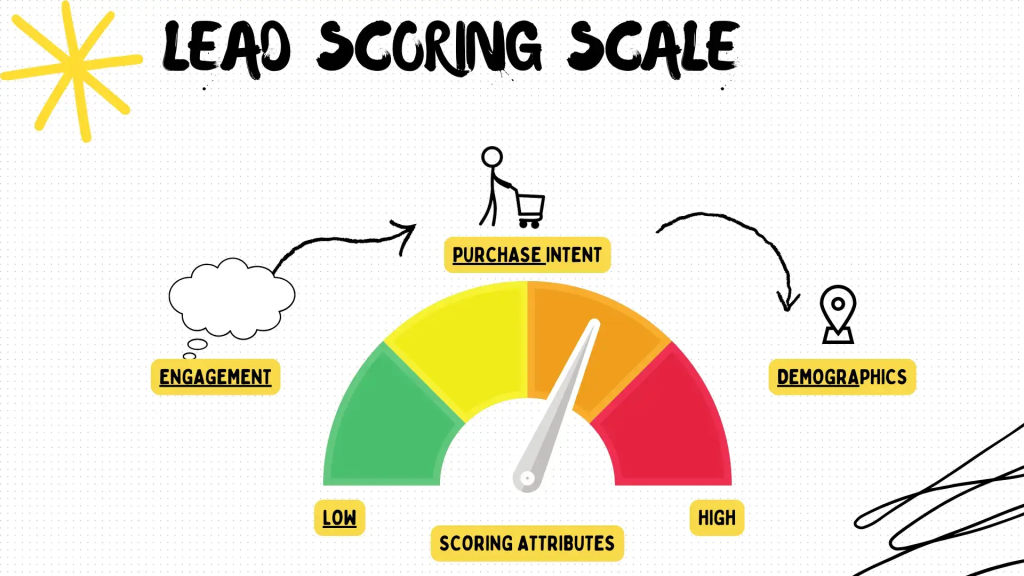
Phase 1: Capturing and Scoring Intent
You can’t convert prospects until you grab their attention and figure out if they’re ready to buy. This first phase separates casual window shoppers from hot leads as soon as they discover your digital brand ecosystem.
Once you filter these leads, you can easily slide them into the next high-converting step of your funnel:
The Anatomy of a High-Converting Lead Magnet
Building a huge email list requires giving away instant value with hyper-specific tools like interactive calculators or copy-and-paste templates. Skip the bloated 50-page ebooks that take hours to read because modern users want quick answers to their problems right now. Giving them an instant win builds immediate authority and locks in deep customer trust from the first click.
A highly focused landing page should easily turn 20% to 40% of your visitors into email subscribers. If your opt-in rate sits below that mark, your freebie is probably too broad or confusing for users to apply. Keep your signup forms short and write a headline that promises one clear transformation.
Behavioral Segmentation from Day One
Scoring an email address is just the start; you also need to track your users’ exact psychological journey. Smart segmentation divides your audience based on how they found you so your marketing emails actually match what they want.
This simple tracking setup sets up personalized messages that trigger more sales:
- Point of Entry Tagging: Marketing tools automatically tag users based on where they came from, like an educational blog post versus a paid social media ad.
- Intent Data Leverage: Studying these early actions tells you exactly what problem your prospect wants to solve right now.
- Hyper-Personalized Follow-Ups: Using this data lets you trigger tailored email tracks that match their exact needs instead of sending generic blasts.
AI and Predictive Lead Scoring
Scaling your digital sales means letting artificial intelligence track and score user actions automatically. These smart tools watch real-time signals like email opens, link clicks, and deep site browsing to find buying patterns you might easily miss.
When a lead starts showing high engagement, the software automatically pitches your premium offers. This setup ensures you only pitch high-ticket products when a prospect is completely ready to buy. Targeting warm leads this way boosts your sales-ready opportunities by 50% while saving you massive time.
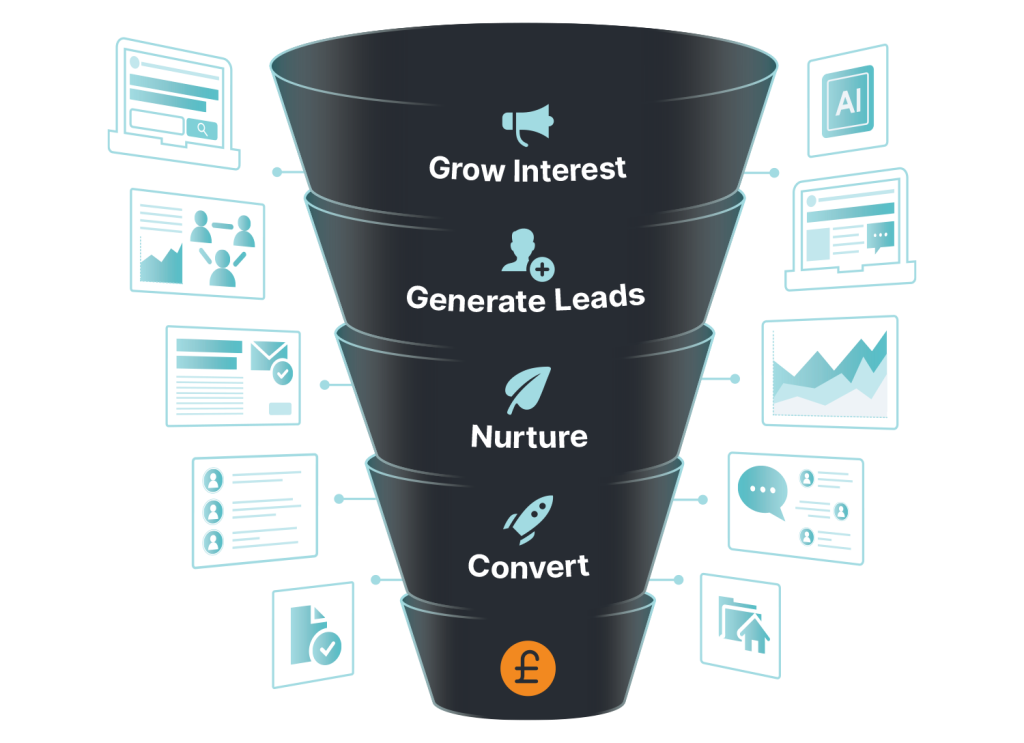
Phase 2: The Automated Nurture Engine
Snagging a lead is only half the battle because you need to build deep trust through automated messaging to win the sale. In fact, nurtured leads actually spend 47% more money than cold, impulsive buyers who skip your email sequence.
Top creators use a 5-day email sequence model to build authority on autopilot, turning strangers into qualified, high-intent buyers:
Day 1: The Delivery and Expectation Setter
Send your free digital download via automated email seconds after someone opts in. Keep your brand introduction brief and let them know how often you’ll be emailing them. Clear expectations matter in any communication strategy, including internal communication, where consistency and transparency help audiences understand what information to expect and when. Setting expectations early keeps you out of the spam folder and protects your sender reputation.
Day 2: The Non-Pitch Value Drop
Share a helpful, unexpected tip related to your freebie without pitching a single product or sending them to a checkout page. Focus purely on proving your expertise by solving another quick problem for free. This surprise value drop delights your readers and builds massive goodwill for your brand.
Day 3: Social Proof and The Outcome Story
Pivot your reader’s attention to a real transformation by sharing a detailed customer case study. Tell a clear before-and-after story that highlights the exact struggles your subscriber is experiencing right now. Showing real-world proof makes your paid offer look like the ultimate achievable solution.
Day 4: Objection Deconstruction
Address the biggest doubts in your niche, such as a lack of time or missing tech skills. Break down these worries by explaining how your digital product simplifies the entire process for them. Clearing out these mental blocks helps your reader feel confident enough to buy.
Day 5: The Tripwire Pivot
Offer a low-priced, high-value introductory product to officially turn your reader into a paying customer. Use low-pressure urgency by making this entry pricing a limited-time deal inside your funnel track. This affordable offer feels like a no-brainer next step after four days of pure free value.
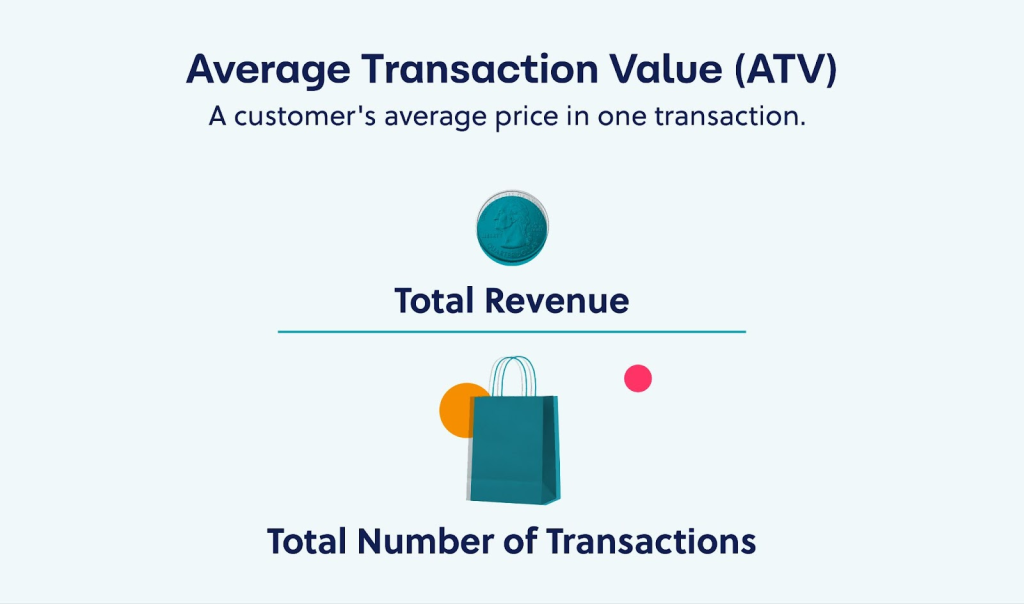
Phase 3: Optimizing Transaction Values
When your trust sequence warms up your audience, you need to focus on growing your profit margins. A scalable system relies on pulling the maximum dollar amount out of every single checkout transaction. Structuring your offers intelligently boosts your revenue without requiring you to chase more web traffic.
The Power of Tiered Value Anchoring
Selling your product at just one price point kills your revenue by forcing buyers into a strict yes-or-no choice. Creating a few premium options lets you anchor value effectively and match different customer budgets.
This layout lets your biggest fans buy more from you while keeping a cheap option open for beginners:
- Basic Tier: Sell the core digital product by itself to give budget-focused shoppers a cheap, frictionless entry point.
- Mid-Tier Plus Bonuses: Offer the core asset bundled with high-value extras like templates or worksheets to capture most of your sales.
- Premium Access: Pack your digital assets with community access or direct coaching calls to command a much higher price.
Frictionless Checkouts and Micro-SaaS Platforms
Using specialized checkout platforms like ThriveCart, Gumroad, or Stripe integrations keeps your conversion rates high. These tools handle local digital taxes, ship downloads instantly, and process global payments without annoying tech glitches. Removing checkout friction keeps buyers happy and saves sales that a slow page might destroy.
Cutting out extra checkout steps is vital since a tiny one-second lag can drop your conversions by 7%. Make sure your payment pages are completely mobile-responsive for shoppers buying on their phones. A clean, speedy payment loop prevents people from ditching their carts at the finish line.
Systemizing Upsells and Order Bumps
Adding smart post-purchase cross-sells directly into your checkout flow easily multiplies your profits. You can offer a fast video walkthrough or an extra template right as they buy your main package. These automated offers pop up exactly when a customer has their card out and is ready to buy.
Tossing in these simple bumps and one-click upgrades bumps your average order value by 10% to 30% instantly. These quick adjustments mean you make way more money from the same amount of daily traffic. Over time, these tiny checkout tweaks stack up to build a highly profitable digital business.
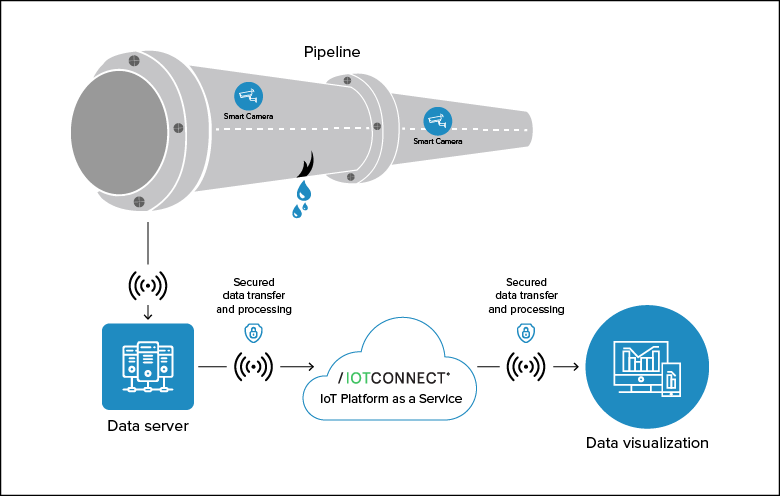
Phase 4: Leak Prevention and Analytics Tracking
Even the best digital storefronts lose sales at the last second, making leak prevention critical. To scale smoothly, you have to track your metrics and patch any holes in your checkout funnel. Fixing these weak spots keeps your ad costs low and protects your hard-earned profits:
The Asynchronous Cart Recovery Sequence
An automated cart recovery sequence works in the background to win back distracted buyers before they disappear. Using a timed, multi-step sequence ensures you target different customer doubts at the exact right moment. This automated follow-up track can be set up with shopping cart software and guides shoppers back to complete their checkout:
- Hour 1 (Distraction Recovery): Drop a friendly, automated note assuming the buyer just got busy or stepped away from their computer.
- Hour 24 (Value Deep-Dive): Handle pricing and usability worries by showing off product highlights, case studies, and positive reviews.
- Hour 48-72 (The Final Incentive): Send a time-sensitive discount code or bonus to score an industry-standard 10% to 20% cart recovery rate.
Funnel Performance Benchmarks
Comparing your metrics to industry standards shows you exactly where your funnel is leaking cash. Think of this metric breakdown as a health check to troubleshoot and optimize every single step of your customer journey.
Audit these numbers often to turn raw stats into rapid revenue growth:
| Funnel Stage | Key Performance Indicator (KPI) | Target Benchmark | Systemic Fix If Below Target |
|---|---|---|---|
| Top of Funnel | Lead Magnet Opt-in Rate | 20% – 40% (Dedicated Page) | Redesign hook; change the free asset |
| Middle of Funnel | Nurture Sequence Open Rate | 25% – 40% | Test subject lines and clean the email list |
| Bottom of Funnel | Core Product Conversion Rate | 2% – 5% | Add social proof and refine landing page copy |
| Transaction Max | Post-Purchase Upsell Take Rate | 10% – 25% | Lower price; improve context relevance |
| Leak Prevention | Cart Abandonment Recovery Rate | 10% – 20% | Simplify checkout fields; add live chat |
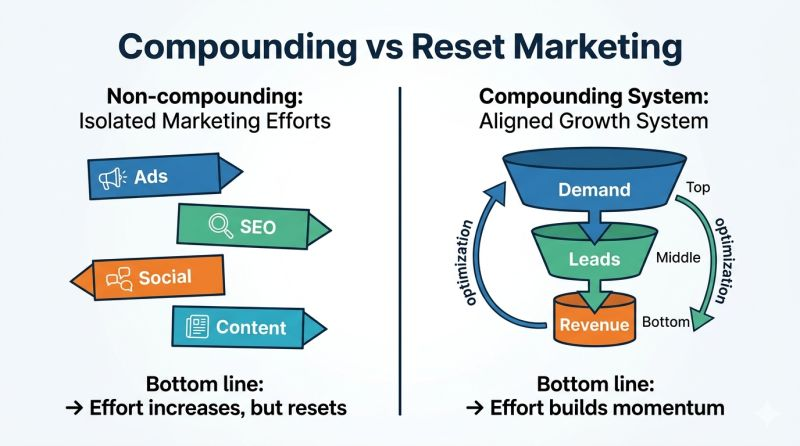
Phase 5: Compounding System Growth
Once your core sales setup starts converting traffic reliably, you’re ready to scale your reach. Compounding your growth means turning your validated digital product engine into an interconnected lead machine. These growth strategies let you expand your brand footprint without adding extra hours to your work week, giving digital entrepreneurs more flexibility in both how and where they operate. Those taking that flexibility internationally can use platforms like CitizenX to explore residency and citizenship options abroad.
Affiliate Networks and Co-Marketing
Turning your funnel into an active affiliate program scales up your traffic and sales quickly. Giving out clear commission splits encourages your best customers and niche influencers to pitch your products to their audiences. Referral traffic converts 3x to 5x better than traditional cold marketing ads. This setup brings warm leads directly into your nurture tracks, all without any upfront ad spend.
Continuous Iteration over Perfection
Remember that automated funnels are living assets that need regular tweaks, not a one-and-done setup. Don’t waste time trying to build a massive, complex system on your first try. Launch one simple, high-converting sequence first, validate market demand with pre-orders or keyword tools, and build out from there to double your sales by up to 100% over time.

Your Scalable Engine Awaits
Building an automated sales system requires some initial effort, but it completely changes how your business scales. Stepping away from exhausting live launch spikes saves your sanity and locks in an ongoing revenue loop. When you set the system up right, your digital store captures and closes leads while you’re offline.
Stop trading your limited hours for erratic revenue and start designing a customer journey that runs effortlessly in the background. Audit your digital storefront today, pick one single funnel stage to automate, and start building. Turning your store into an optimized machine gives you your time back and scales your brand smoothly.
References:
https://nexway.com/blog/selling-digital-products-overcoming-challenges-and-maximizing-benefits/
https://www.zendesk.com/blog/sales/types-of-sales/digital-sales/
https://jennielyon.com/how-to-automate-your-digital-product-sales-so-you-can-make-more-work-less/
https://www.salesforce.com/ap/blog/selling-digital-products/
